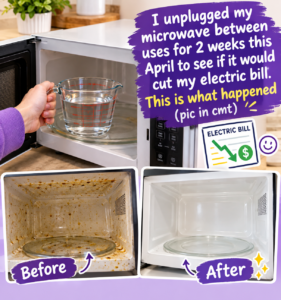
I had always assumed my microwave used electricity only when I was actively heating food. It seemed obvious: press the buttons, the microwave runs; finish cooking, and its electricity use should essentially stop. Then I learned that many modern microwaves continue drawing a small amount of electricity while sitting unused because the clock, display, sensors, and electronic controls remain powered. Curious about whether that small amount could actually make a noticeable difference, I decided to conduct my own simple experiment. For two weeks this September, I unplugged my microwave whenever I wasn’t using it and carefully watched my household electricity consumption. I wasn’t expecting a dramatic change, but I wanted to see the result for myself.
The experiment required a little more discipline than I expected. Normally, I would simply walk away after heating leftovers or making something warm. This time, I had to remember to unplug the appliance after every use and reconnect it whenever I needed it. At first, it felt slightly inconvenient, especially when I was rushing through breakfast or preparing dinner. I quickly realized how accustomed I had become to appliances being ready instantly. Still, I kept going because I wanted to compare the results with previous electricity bills rather than relying on assumptions. I also tried not to change my general cooking habits significantly, because I wanted the comparison to be as meaningful as possible.
After the two weeks were over, I compared my electricity usage with previous periods and looked carefully at the numbers. The result wasn’t a huge overnight transformation, which honestly wasn’t surprising. A microwave generally doesn’t consume nearly as much electricity as major appliances such as an electric oven, clothes dryer, water heater, or air conditioner. However, unplugging it did eliminate the electricity it would have consumed while sitting idle. The amount saved depends on the particular microwave, how much standby power it uses, local electricity rates, and how long it normally remains plugged in. In my case, the savings were relatively small, but they were still noticeable enough to make me think differently about standby electricity.
The experiment also taught me something more important than the exact amount of money saved. Electricity consumption doesn’t always come from appliances we actively use. Some devices continue drawing small amounts of power even when they appear to be doing nothing. Individually, those amounts may seem insignificant, but several devices operating continuously can add up over months and years. That doesn’t necessarily mean everyone should unplug every appliance in the house every night. Constantly reconnecting devices can be inconvenient, and some equipment may need continuous power for clocks, settings, safety features, or other functions. Instead, I started thinking about which devices were worth unplugging and which ones weren’t worth the trouble.
In the end, my two-week September experiment didn’t suddenly cut my electric bill in half, but it gave me a better understanding of where household electricity can go. If someone wants to try the same experiment, comparing actual meter readings or bills over similar periods is more useful than simply guessing. A plug-in energy monitor can also help reveal how much electricity a particular appliance consumes while operating and while sitting idle. For me, the biggest surprise wasn’t how much money I saved—it was realizing how many small habits can influence energy use over time. Sometimes a simple household experiment is enough to make you look at an ordinary appliance in an entirely different way.