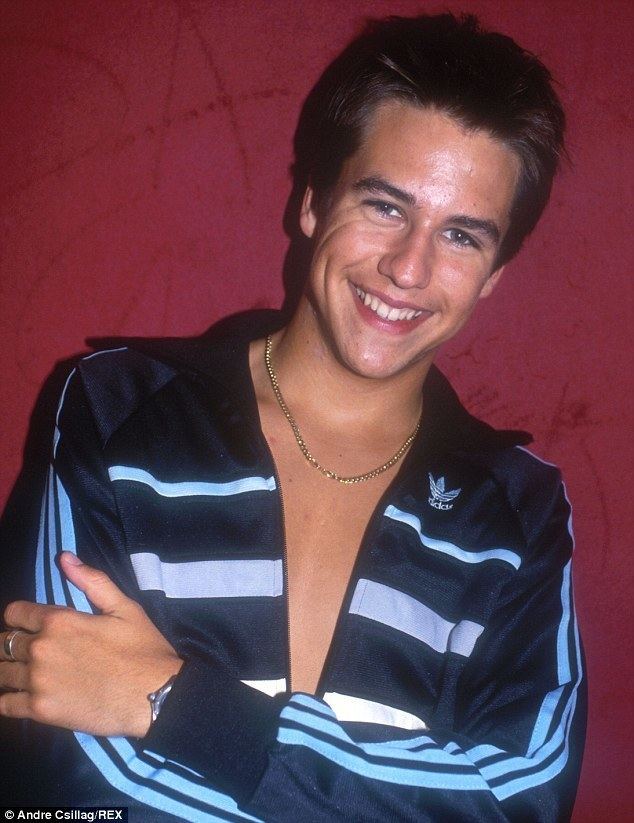
At one point, Anthony Gerard Kavanagh—better known as Kavana—was waking up with cheap cider, hiding how badly his life had unraveled, and wondering how a former teen idol had ended up effectively homeless. Years earlier, the Manchester native had been a rising ’90s pop star with UK chart hits, devoted fans in Asia, and awards he once dreamed about while reading Smash Hits in his bedroom. Success arrived while he was still a teenager, but the pressure came quickly too. Comments about his weight fed old insecurities, while every achievement seemed to make him want something bigger. After losing his record deal, he headed to America believing Hollywood might become his next breakthrough. Instead, debt, loneliness, drinking, drugs, and unstable living arrangements slowly replaced the glamorous future he had imagined.
By 2006, after seven years in America, Kavana returned to Britain penniless and moved back in with his elderly parents. Alcohol increasingly became his way of handling grief, anxiety, career disappointment, and another secret he had carried since school: he was gay. During his pop career, he feared that honesty could damage the carefully marketed image surrounding him, particularly with teenage female fans. Even private relationships felt dangerous because he worried someone might expose him. As drinking worsened, periods of sobriety repeatedly collapsed, and at one stage he entered rehab partly because he needed somewhere to stay. Then, during one of his lowest periods, an unexpected message arrived that gave him a final opportunity to change direction.
The message came from a lawyer concerning an old defamation case from the 1990s that had finally been settled, producing a payout large enough to help him seek private treatment. For Kavana, it became more valuable than any investment, mortgage, insurance policy, estate arrangement, attorney strategy, or court victory could have been at that moment because it gave him access to help when he felt completely out of control. He contacted his AA sponsor, found a private rehabilitation facility, and had a friend drive him there. Staff were even warned that years of alcohol abuse might have caused lasting damage. Kavana believed drinking could eventually end his life, and that fear followed him into what became his final rehab stay. Somehow, this attempt held. The singer later said he could not fully explain why, but sobriety finally became sustainable through meetings, connection with others, quiet daily prayer, and learning not to overthink every part of recovery.
The man behind hits such as “Funky Love” and “Crazy Chance” eventually began telling the story he had spent years trying to escape. During his first sober year, he wrote Pop Scars, turning memories of teenage fame, addiction, secrecy, grief, and recovery into something he could finally own. He has spoken openly about realizing he was gay while still in school, hiding it from much of his family and the public, and even sharing a night with Boyzone’s Stephen Gately during those years of secrecy. Rather than presenting himself only as the smiling young singer from old photographs, Kavana now identifies proudly as an author and has considered returning to music or developing a one-man show. Most importantly, the former ’90s heartthrob who once lost his career, money, stability, and sense of self reached more than three and a half years of sobriety—proof that his most significant comeback happened far from the charts.