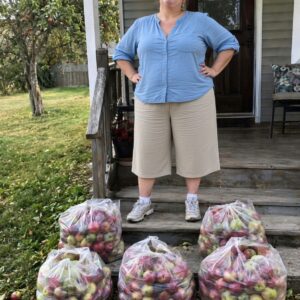
At first I felt furious. I had sold my car, drained our savings, worried about rent, and walked away from a career opportunity in Chicago while believing we had almost nothing. Walter explained that Margaret could not simply withdraw the trust principal to cover every treatment, insurance bill, or daily expense. Her planning had never been about hiding spendable cash from me. She had arranged the marriage and the will so I could rebuild afterward—possibly put a down payment on the old house with the porch I always talked about, restore my savings, and create something for my future. There was no court battle waiting, only carefully structured documents and a letter telling me she wanted the money to become a life rather than another monument to her illness.
I left the money untouched for almost a year because spending it felt like admitting she was really gone. Then I found a house with peeling paint, crooked shutters, worn floors, and the wraparound porch she had heard me describe for years. I bought it, repaired the floors, painted the kitchen, and eventually adopted a shelter dog with one floppy ear. I named him Stanley, after the IV pole Margaret had jokingly named during her treatments. Four years have passed. Our wedding rings rest together in a small box beside my bed. People sometimes look uncomfortable when I tell them the marriage lasted only six days, but that number has never described our relationship. Margaret did not marry me to make me wealthy. She married me because she finally found a way to leave without believing she had destroyed my future. The money mattered, but her real gift was giving me permission to keep living while still carrying her with me.