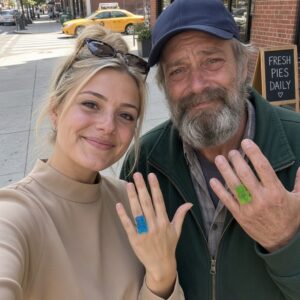
A recent viral discussion on social media began after a TikTok user named Shannon shared a video showing ribbon-like strings tied around the door handles of several parked vehicles. The unusual discovery immediately captured public attention because of how strange and unexplained the objects appeared. In the video, Shannon explained that she initially noticed the string attached to one car before realizing that multiple nearby vehicles had similar ribbons or cords fastened to their handles. The discovery quickly created concern among viewers, many of whom began questioning whether the objects could somehow be connected to criminal activity. Others believed the situation may have been harmless, possibly involving pranks, decorations, or random acts with no dangerous meaning at all. Nevertheless, the video spread rapidly across TikTok and other social media platforms, where thousands of users began sharing opinions, warnings, theories, and personal stories involving suspicious objects found near vehicles in parking lots. The combination of uncertainty and fear surrounding personal safety helped transform a simple unexplained observation into a much larger online debate about crime awareness and public vigilance.
As the video gained popularity, many social media users started offering theories about why strings, zip ties, ribbons, or wires might be attached to car door handles. Some people claimed these objects could allegedly be used by criminals to identify potential targets or distract drivers long enough to create vulnerability. According to these theories, a person approaching their vehicle might stop to examine or remove the unfamiliar object before entering the car, briefly losing focus on their surroundings. In isolated parking lots or low-traffic areas, some online commentators suggested that this hesitation could theoretically provide an opportunity for someone nearby to approach unnoticed. Another TikTok creator named Reese contributed to the discussion by sharing similar claims, explaining that criminals may sometimes rely on confusion or distraction rather than force alone. Her comments intensified public concern because they connected the mysterious strings to broader fears about personal safety, kidnapping stories, and parking lot crime. Although these theories spread quickly online, many viewers struggled to determine which claims were supported by real evidence and which were simply speculation amplified by social media algorithms and emotional reactions.
One reason these stories spread so rapidly is because they tap into common fears people already have about being alone in public spaces, especially parking lots. Many individuals naturally feel vulnerable when walking to their cars at night, carrying shopping bags, traveling alone, or entering isolated garages and parking structures. Viral warnings involving suspicious objects attached to vehicles often gain traction because they appear believable enough to trigger caution while remaining mysterious enough to encourage speculation. Over recent years, similar internet rumors have circulated involving zip ties placed on mirrors, hidden notes under windshield wipers, coins stuck in door handles, and other unusual objects supposedly connected to criminal schemes. In many cases, these stories become widely shared before any official investigation confirms whether the incidents were actually linked to criminal behavior. Social media platforms accelerate this process because emotionally alarming content tends to spread faster than calm or carefully verified information. As a result, public fear can grow rapidly even when reliable evidence remains limited or completely absent. The emotional impact of personal safety concerns often encourages users to repost warnings immediately in hopes of helping others stay alert, even if the original claims are unverified.
Despite the widespread fear generated by these stories, law enforcement agencies and public safety experts have repeatedly cautioned against assuming that every strange object found on a vehicle is connected to organized crime or attempted kidnapping. Authorities in various regions have previously addressed viral claims involving ribbons, zip ties, and markings on cars, often explaining that there is little or no confirmed evidence connecting most incidents to coordinated criminal operations. In many situations, the objects may have completely harmless explanations, including pranks, accidental placement, decorations, maintenance markings, or unrelated activities misunderstood through social media speculation. Experts warn that internet rumors can easily become exaggerated as they spread from person to person, especially when dramatic claims are repeated without verification. Some police departments have specifically stated that they have not found evidence supporting many viral kidnapping theories associated with car markings. This does not mean people should ignore suspicious behavior entirely, but it does highlight the importance of distinguishing between verified public safety information and online assumptions driven by fear. Panic based on unconfirmed stories can sometimes create unnecessary anxiety while distracting attention from more realistic and documented safety risks.
At the same time, the viral discussion still serves as an important reminder about general awareness and personal safety in public spaces. Even if the strings themselves were harmless, the incident encouraged many people to think more carefully about staying alert while approaching their vehicles. Safety experts commonly recommend paying attention to surroundings, especially in isolated or poorly lit areas, and avoiding unnecessary distractions when entering or leaving a car. If someone notices something unusual attached to a vehicle, authorities generally advise remaining calm rather than immediately assuming criminal intent. People are often encouraged to look around the area carefully, avoid lingering alone if they feel unsafe, and contact local security or law enforcement if genuinely suspicious activity is observed nearby. Practical habits such as parking in well-lit areas, keeping keys ready before reaching the vehicle, staying aware of nearby individuals, and trusting personal instincts when situations feel uncomfortable are widely recommended safety measures. These basic precautions can improve awareness without relying on panic or viral rumors that may not be grounded in verified facts.
Ultimately, the story surrounding wires and strings tied to car door handles demonstrates how quickly modern social media can transform ordinary or unexplained discoveries into major public discussions filled with fear, speculation, and conflicting opinions. A simple observation recorded in a parking lot became a worldwide conversation about crime, safety, trust, and online misinformation within only a short period of time. While no confirmed evidence has established that the ribbons seen in the viral video were connected to criminal activity, the situation reveals how deeply personal safety concerns influence public reactions online. It also highlights the challenge of separating genuine warnings from rumors in an era where dramatic stories spread instantly across millions of screens. The most responsible approach often involves balancing caution with critical thinking by staying aware of surroundings while avoiding assumptions unsupported by verified information. As social media continues shaping public perception of danger and safety, incidents like this will likely continue generating intense discussion whenever mysterious or unexplained situations appear in everyday life.