Venezuela has initiated a series of releases of political prisoners, marking one of the most significant developments in the country’s recent political history. The decision, announced by Jorge Rodríguez, head of the National Assembly, comes at a time of intense international scrutiny, particularly from the United States, whose diplomatic and economic influence has been cited as a key factor in encouraging the government to take this step. While Rodríguez described the measure as an effort to maintain peace and stability, the lack of a detailed list of those being freed has left observers uncertain about the exact number of detainees who will regain their freedom. Human rights organizations estimate that between 800 and 900 political prisoners remain in custody, many of whom were detained during Nicolás Maduro’s tenure. The announcement has nevertheless sparked hope among families, human rights advocates, and opposition groups, even as skepticism persists regarding the government’s commitment to broader reforms and transparency.
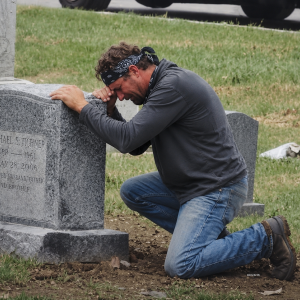
The initial reports of releases already indicate that some high-profile detainees have been freed, including Venezuelan opposition figures and foreign nationals. Video evidence shows public embraces and emotional reunions, highlighting the personal and human dimension of what is, at its core, a highly politicized process. Among those released are five Spanish nationals, including prominent human rights lawyer Rocío San Miguel, who are preparing to return to Spain. These developments underscore the international dimension of Venezuela’s internal political crisis, demonstrating that foreign governments, particularly the United States, have leveraged diplomatic pressure to achieve tangible results. Washington officials have framed the releases as a demonstration of U.S. influence, citing months of coordinated sanctions, diplomatic engagement, and negotiations over economic and oil-related matters as pivotal in persuading the new leadership to act.
The broader geopolitical context is critical to understanding the timing and implications of these releases. Venezuela, long reliant on its oil exports, faces intense scrutiny over economic management, sanctions, and its role in the global energy market. President Trump, speaking publicly after the initial releases, highlighted that Venezuela would now be channeling oil revenues toward American-made goods, a move framed as both economic leverage and strategic alignment. At the same time, the president confirmed that a planned “second wave” of attacks or punitive measures had been canceled, citing the prisoner releases as evidence that diplomatic engagement had produced results. This intersection of human rights concerns, economic strategy, and military deterrence reflects the complexity of Venezuela’s current political environment, where domestic reforms, international relations, and economic considerations are deeply intertwined.
Despite these promising signs, the situation remains fraught with uncertainty. Many detainees remain behind bars, and human rights groups continue to press for clarity regarding who will be released and under what conditions. Families of prisoners emphasize the emotional toll of prolonged detentions, highlighting stories of hardship, fear, and resilience among those awaiting freedom. Observers warn that while initial releases are a positive signal, they do not guarantee systemic change or a long-term shift toward respecting civil liberties. The government has yet to establish clear protocols for future releases, raising concerns about potential inconsistencies and political motivations influencing who is freed. This uncertainty underscores the fragile nature of progress in Venezuela, where incremental measures coexist with enduring systemic challenges.
Public perception within Venezuela is varied, reflecting the polarization that has characterized the country’s political climate for years. Supporters of the interim leadership view the releases as a necessary step toward reconciliation, a gesture signaling willingness to engage with international norms and human rights standards. Opposition members and civil society groups, however, approach the development with cautious optimism, recognizing the potential for genuine reform but wary of symbolic actions that may not translate into sustainable improvements. Analysts point out that domestic opinion is further complicated by economic pressures, social unrest, and the lingering legacy of past governance failures. In this context, each release carries both symbolic and tangible significance, shaping public expectations and influencing perceptions of government credibility and legitimacy.
Looking ahead, the trajectory of Venezuela’s political prisoner situation will likely remain a barometer for broader governance and reform efforts. Continued international engagement, particularly from the United States, will play a decisive role in ensuring that releases are not isolated events but part of a sustained effort to improve human rights conditions. The interplay between diplomatic pressure, economic leverage, and domestic policy decisions will shape outcomes for thousands of detainees and signal the extent to which Venezuela’s new leadership is committed to aligning with international norms. Families, advocates, and global observers will continue to monitor the situation closely, balancing cautious hope with a recognition of the persistent challenges that have long defined the nation’s political landscape.
Ultimately, the release of political prisoners in Venezuela represents both an opportunity and a test. It offers a moment of relief for those freed and their families while presenting the government with a chance to demonstrate genuine commitment to human rights and transparency. At the same time, the international community remains attentive, weighing progress against historical patterns of repression and instability. How Venezuela navigates this moment may define its domestic legitimacy and international standing for years to come. The process underscores the delicate balance between political pragmatism, ethical responsibility, and human compassion, reminding all stakeholders that meaningful change requires sustained effort, accountability, and vigilance beyond symbolic gestures.