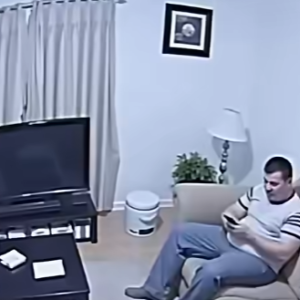
I came home two days earlier than planned with wine, pastries, and the hope of surprising my wife. Instead, I opened the front door and found Sarah on the living room floor, holding a bleeding cut near her eyebrow while laughter came from the kitchen. Our son Michael was there with his wife and her family, sitting at our table as if nothing had happened. On the coffee table were papers for the beach house Sarah had inherited from her mother—the one thing she had repeatedly refused to sell.
At first, Sarah tried to explain before I even asked, and that hurt almost as much as the injury itself. She told me they had pressured her to sign the documents, and when she refused, Michael grabbed her arm. She pulled away, lost her balance, and hit the corner of the coffee table. While she sat there shaken and hurt, the others stayed in the kitchen, talking and laughing. I saw the deed transfer papers, a notary page, and another form that would have sent money from the sale into a business account Sarah had never agreed to.
I wanted to storm into the kitchen, but I knew anger would not protect Sarah the way evidence would. I took photos of her injury, the blood on the rug, and the documents on the table. Then I called 911 and calmly reported what had happened. When I stepped into the kitchen, Michael tried to say I was overreacting and that it was just a family disagreement. But the moment he saw the phone still connected to emergency dispatch, his confidence faded. The sirens arrived minutes later, and for the first time that evening, the truth had witnesses.
The police separated everyone and took statements while the EMTs checked Sarah. At the hospital, her injury was treated, and thankfully it was not life-threatening. But the emotional damage was harder to name. Sarah admitted she had nearly been made to feel guilty for saying no to her own son. The beach house was not just property; it was her last connection to her mother. Michael and the others had reduced it to an asset, something to be sold to rescue a failing business. But Sarah had held her ground, and the documents remained unsigned.
In the weeks that followed, we changed the locks, contacted an attorney, and confirmed that nothing had been filed without Sarah’s permission. Michael sent excuses first, then anger, and finally a message admitting the restaurant was in worse trouble than he had said. Sarah answered with one sentence: “You can’t call it desperation when the plan requires my silence.” The beach house stayed hers. The living room slowly became ours again. And one autumn afternoon, Sarah stood on the porch and said quietly, “I will never sign anything I don’t want to sign.” This time, no one laughed.